December 19, 2025
Sleepwalking Explained: Causes, Risks, and How to Reduce Nighttime Episodes

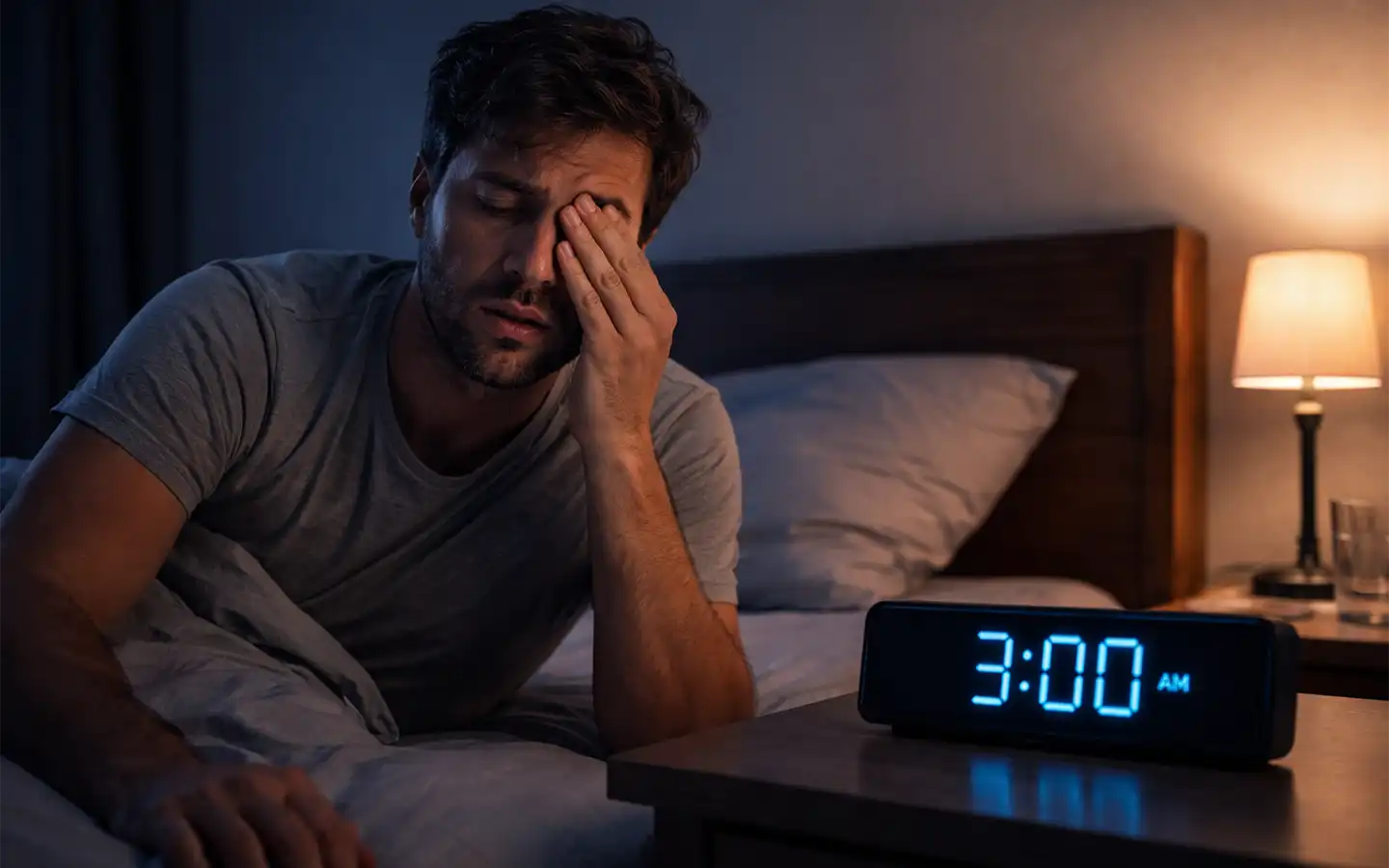
Sleepwalking is often known as the sleep disorder where people walk, sit up in bed, or do other movements while they're asleep. Sometimes they remember these episodes after waking, but often they have little to no memory of the episode the next morning. Even brief episodes can be surprising or dangerous, which is why understanding what triggers them helps keep everyone safe.
We are going to explain how sleepwalking works, why it can be dangerous, and what you can do to help yourself or someone who's suffering from it.
What is Sleepwalking?
Sleepwalking or somnambulism is considered a parasomnia. Parasomnias are sleep disorders that involve unusual or disruptive movements or behaviors during sleep. These include sleep eating, sleep talking, sleep paralysis, night terrors, and hallucinations.
Sleepwalking typically happens during deep sleep but can also take place during lighter sleep stages. Deep sleep happens more often in the first half of the night, so sleepwalking episodes usually occur earlier in the night rather than toward morning. Most sleepwalking episodes last 10 minutes or less, but they can also last from a few seconds to 30 minutes or longer.
What Does Sleepwalking Involve?
Sleepwalking does not always mean walking. It can include:
- Sitting up in bed
- Walking around
- Not responding when someone talks to or touches them
- Appearing confused or dazed
- Repeating simple movements (like rubbing the eyes)
The biggest dangers of sleepwalking come from what the person does while in the state. This can make things really dangerous for children or anyone who sleepwalks. It can lead them to do things like using stairs, trying to drive, using sharp objects, or basically any task that requires full awareness and coordination.
[CTA_INSERT]
Sleepwalking in Children
Sleepwalking is more common in children, especially between the ages of four and eight. Around 1 in 10 kids may experience an episode, though most outgrow it as they get older.
Children who sleepwalk can also deal with night terrors and talking in their sleep. Common effects of sleepwalking in children are daytime sleepiness, behavioral issues and symptoms associated with ADHD, like difficulty concentrating and hyperactivity. The biggest danger of sleepwalking is definitely safety, as many parents fear their child falling down the stairs or something equally dangerous.
What Causes Sleepwalking?
There are many factors that can contribute to sleepwalking. The good news is that there are pharmaceutical treatments if people need them, or just getting high-quality sleep seems to work as well.
Sleepwalking tends to happen during the deepest stage of sleep, during which blood flow to the brain slows down and goes to other parts of the body for tissue repair and maintenance of the immune system. The lack of that blood flow to the brain then makes waking up during your deep stage of sleep difficult.
Is Sleepwalking Genetic?
Sleepwalking happens more often in children whose parents sleepwalked as children. While experts believe it does have a genetic link, practice shows the biggest cause of sleepwalking is still sleep deprivation. People can get sleep-deprived from a whole host of things, like over-caffeinating, drinking too much alcohol, or just not getting enough good sleep for longer periods of time.
When sleepwalking starts for the first time in adulthood, it’s often linked to stress, sleep deprivation, certain medications, or another underlying sleep disorder.
Trauma can also be considered a cause of sleepwalking.
Even though it doesn’t directly cause sleepwalking, it can keep the nervous system in a heightened state, making sleep more fragmented and deep sleep less stable.

Should You Wake Up a Sleepwalker?
Should you wake a sleepwalker, and is sleepwalking dangerous?
Think about it. If you were asleep and somebody grabbed you while you were sleeping, what would your reaction be? You probably wouldn't be too thrilled about it. What you can do is stand to the side of the sleepwalker and gently put your hand on them, and start talking to them. You can tell them to wake up and go back to bed.
If you're the one suffering from it, here are some more tips to help prevent sleepwalking.
Tips to Help Prevent Sleepwalking
Like most sleep disorders, it’s best to improve your sleep hygiene before turning to medications. That starts with waking up and going to sleep around the same time every day. Turn off electronics like your phone, TV, or other devices at least an hour before bed.
Avoid drinking caffeine and alcohol at night. Try to reduce stress. Practice mindfulness, meditation, or yoga to help with anxiety. If you have trouble falling asleep, try some of the falling asleep techniques we recommend. Your bedroom environment matters too, so keep the bedroom dark, cool, and quiet.
For people who sleepwalk regularly, simple safety steps like securing doors, blocking stairs, and removing sharp or dangerous objects can significantly reduce the risk of injury. If you have any other sleep disorder, you may need professional help to treat those first.
Since sleepwalking is often tied to stress, sleep deprivation, and unstable deep sleep, improving overall sleep quality is usually the first and most effective step.

How Kimba Improves Sleep Quality
Sleepwalking is often linked to fragmented sleep, chronic sleep deprivation, and a nervous system that has trouble fully settling into deep rest. While Kimba is not a treatment for sleepwalking itself, it is designed to support the foundations that matter most: consistent sleep quality and stress regulation.
Kimba works by responding to your body in real time. By syncing with biometric signals, Kimba releases calming scents when your nervous system shows signs of activation. This helps signal safety to the body, making it easier to stay in deeper, more stable stages of sleep instead of drifting into partial awakenings.
For people whose sleepwalking is triggered by stress, irregular sleep, or poor sleep quality, this kind of support can make a meaningful difference over time. Better sleep consistency does not just reduce nighttime disruptions; it also improves daytime focus, mood, and overall resilience.
If sleepwalking, stress, or restless nights are part of your life, improving sleep quality is the first place to start. Kimba is built to support that process, night after night.
Get early access to Kimba and discover what it can do for your nights!

Continue reading
The Science Behind Smell and Sleep Regulation