February 12, 2026
How High Training Load Can Disrupt Sleep Quality

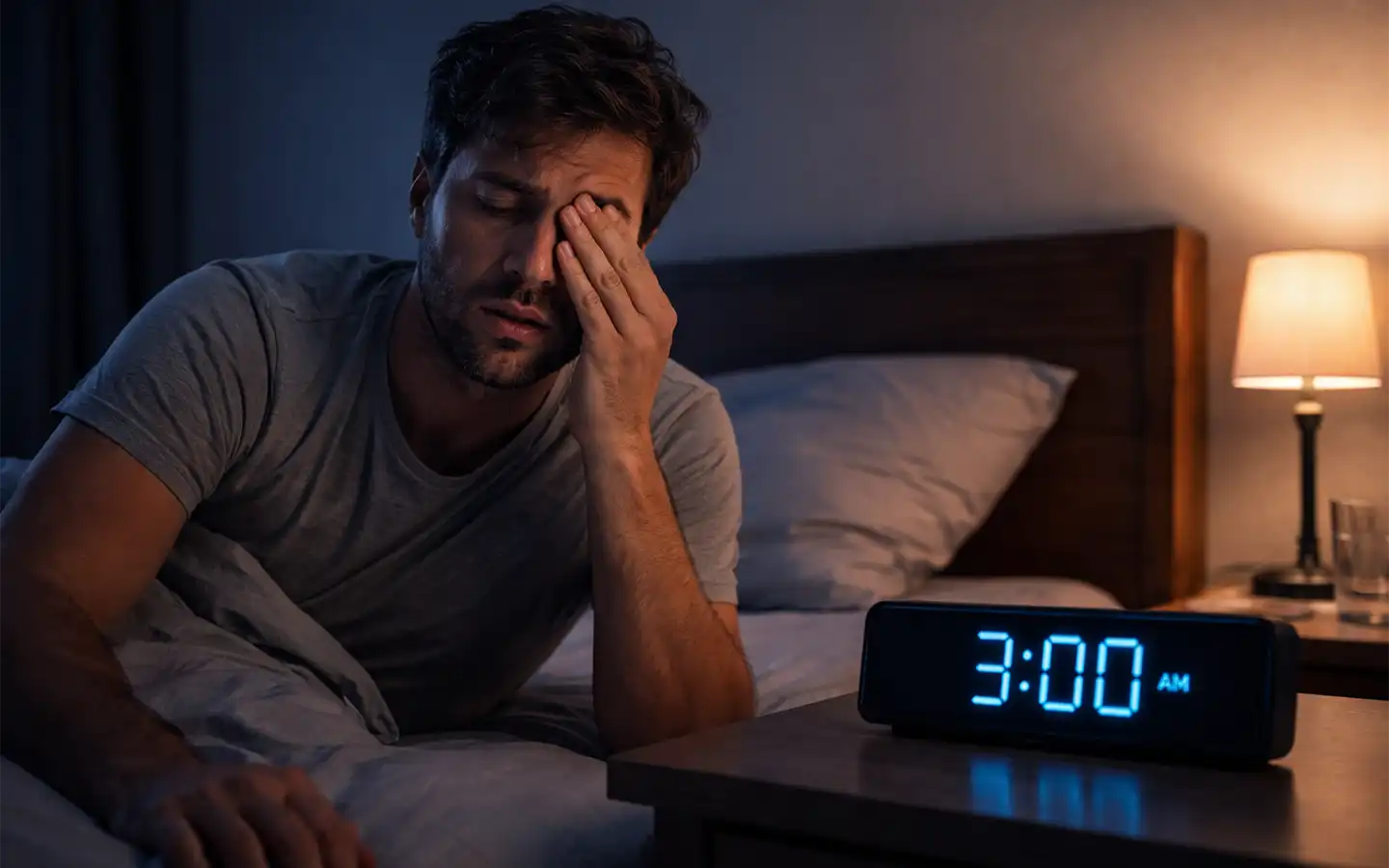
If you’ve ever ramped up your workouts for a race or pushed your training to the max, you might have noticed something odd: instead of sleeping like a baby, you spend the night wide awake.
This is because heavy training loads can take a toll on your sleep, which can be frustrating and counterproductive, since quality sleep is when all that hard work truly pays off in muscle repair and recovery.
When you don’t get enough solid sleep, growth hormone drops and cortisol rises, meaning you heal slower and won’t reap the full benefits of your training efforts.
Why Hard Training Can Mess with Your Sleep

Pushing your body to new limits is a form of stress, not just for your muscles, but for your entire nervous system. Intense or prolonged exercise triggers the release of stress hormones like adrenaline, norepinephrine, and cortisol to keep you going.
The problem is, those same hormones can keep you too alert when it’s time to wind down.
As Dr. Eve Van Cauter, director of the University of Chicago’s Sleep, Metabolism and Health Center, explains: “Strenuous exercise beyond the usual for an individual activates stress-responsive systems… it is well known that difficulties falling asleep and staying asleep may occur.”
In other words, a very hard workout (especially if it’s more than you’re used to) can leave your engine revving at bedtime.
- Adrenaline and alertness: Adrenaline and norepinephrine spike with higher exercise intensity and duration. They’re great for powering through that last interval, but not so great when you’re lying in bed feeling wired.
Adrenaline typically falls back to normal shortly after exercise; however, norepinephrine can remain elevated for up to 48 hours after a big effort, potentially contributing to insomnia on the night after a hard training day.
- Cortisol and circadian rhythm: Cortisol, another stress hormone, usually follows a daily cycle – high in the morning, low at night. But an exceptionally heavy training load can flatten that curve, keeping cortisol levels high even into the evening, which makes it harder for your brain and body to recognize it’s time to sleep.
What One Study Reveals About Training Load and Sleep in Young Athletes

It’s often assumed that sleep problems only show up in athletes experiencing nonfunctional overreaching or even overtraining syndrome (OTS), but one study in adolescent sprinters reveals that sleep disruption can begin much earlier, even during the more moderate phase known as functional overreaching (FOR).
For this study, researchers tracked competitive youth sprinters through a full training cycle that included a planned overload phase designed to induce functional overreaching. Some athletes adapted well to this increased load (showing improved performance and stable energy), while others maladapted (with rising fatigue and performance drop-offs).
Athletes who showed signs of maladaptation had:
- Lower sleep efficiency (how much of the time in bed was spent actually sleeping)
- Shorter total sleep time
- Higher perceived fatigue and worse mood states
The study also showed that training load doesn’t operate in a vacuum. When combined with everyday stressors (like academic pressure and evening training sessions), the impact on sleep was even greater.
That’s especially important for young athletes, who have a higher physiological need for sleep and more rigid schedules that limit recovery time.
[CTA_INSERT]
Signs Your Training Load Is Hurting Your Sleep
How can you tell if your recent lackluster sleep is due to training and not something else? Watch for these telltale signs:
- Trouble falling asleep on hard training days: You hit a personal record in the gym or on the track, but at night your mind and body refuse to settle down.
- Restless, shallow sleep: You might wake up multiple times without knowing, or just cycle through lighter stages of sleep. If you notice you’re tossing, turning, or vividly dreaming after big workout days, it could be training-induced restlessness.
- High morning heart rate or low HRV: A significantly higher resting heart rate or drop in heart rate variability on waking up might indicate your body is still stressed from prior workouts.
- Persistently tired or flat, despite enough hours in bed: If you’re clocking your usual 8 hours but feel groggy, moody, or unusually sore, it could be that those hours weren’t quality sleep because your body was too stressed to get into deep and REM stages.
Sleep Better with Kimba, Even When You’re Training Hard
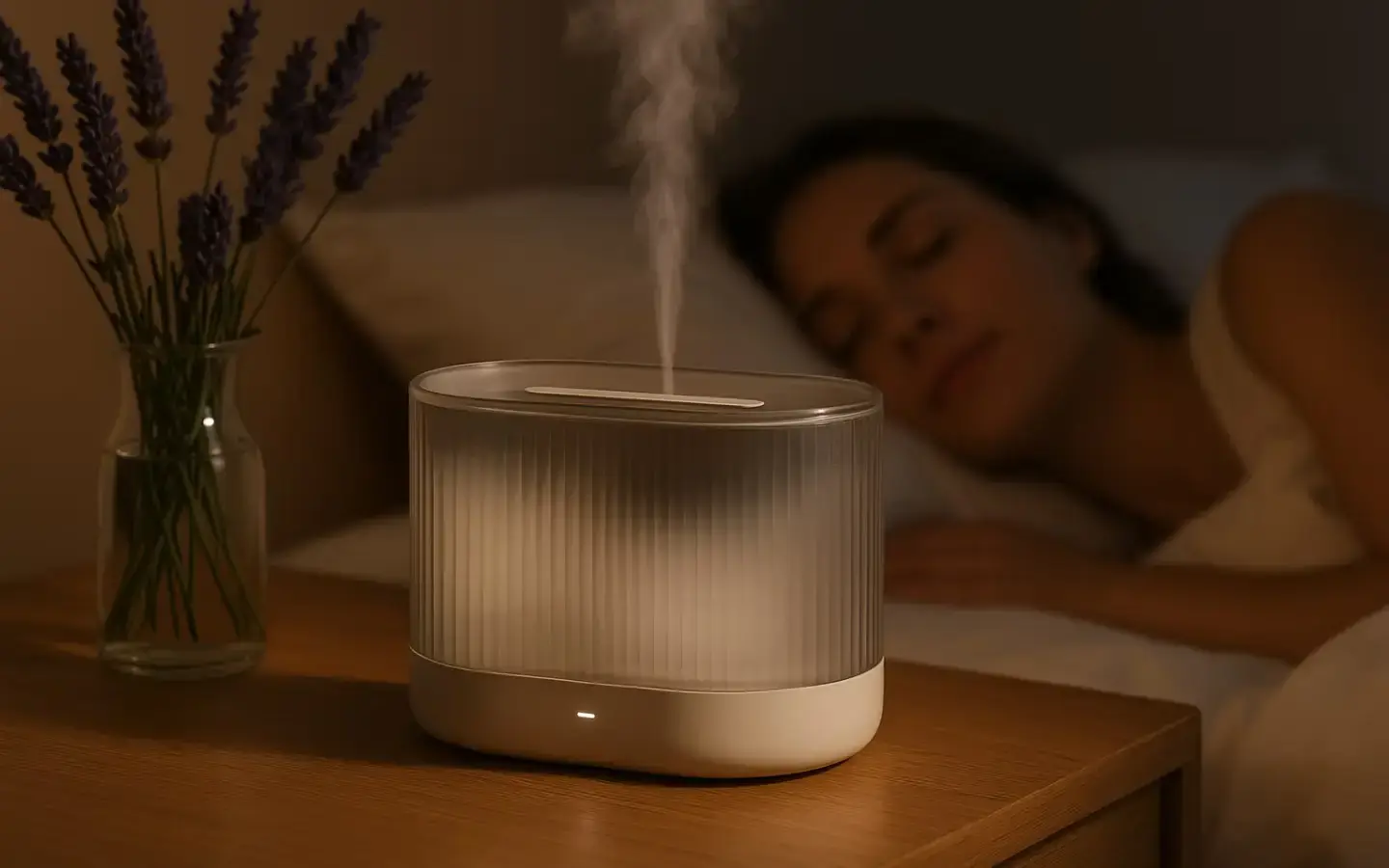
Kimba is the first smart diffuser that uses real-time scent therapy to support your nervous system during sleep, responding to your body’s needs throughout the night.
It’s like having a personal recovery coach for your sleep, especially useful when your system is under training stress.
When your body shows signs of strain or restlessness at night, such as an elevated heart rate, low HRV, or frequent tossing from a tough training day, Kimba responds with a gentle pulse of calming scent that helps your nervous system rebalance and encourages deeper, more stable sleep.
The scent blends used are 100% natural and clinically tested to work with your limbic system (the part of the brain that regulates stress, mood, and sleep). Because our sense of smell bypasses the usual “filters” of the brain and connects directly to the limbic region, the right aromas can quickly ease the fight-or-flight response and promote relaxation.
With Kimba, you’ll wake up feeling more refreshed, with your nervous system balanced and ready to take on the next training session. In the long run, that means better performance, fewer burnout days, and a healthier relationship between working hard and resting well.
Ready to experience how smarter sleep can elevate your training? Join our waitlist and get early access to Kimba

Continue reading

The Science Behind Smell and Sleep Regulation