March 17, 2026
What Sleep Awareness Week and World Sleep Day Remind Us About Sleep

World Sleep Day falls on March 13th and takes place during Sleep Awareness Week, which runs from March 8 to 14.
Together, they create a full week where the world is invited to pause and think about something we do every single night, but often overlook in our daily routines.
Anyone who’s spent a stretch of nights staring at the ceiling, or woken up feeling like they never slept at all, knows that feeling well. Sleep is one of those things you don’t fully appreciate until it’s gone.
So this week is a good time to pause. To reconnect with why sleep actually matters, not as a background function of the body, but as one of the most powerful things you can do for your health, your mood, your mind, and your life.
The most meaningful way to honor these events is by actually changing something, no matter how small, about the way you sleep.
What Is Sleep Awareness Week?
Sleep Awareness Week runs from March 8 to 14, and is designed to shine a light on the importance of sleep and its impact on overall health and wellbeing.
It's organized by the Sleep Foundation, one of the leading sleep health organizations in the United States.
What Is World Sleep Day?

World Sleep Day is an annual global awareness event dedicated to sleep health, and it’s been running since 2008.
The event is organized by the World Sleep Day Committee of the World Sleep Society, a non-profit made up of sleep medicine professionals, researchers, and healthcare providers from around the world.
Today, hundreds of volunteer organizers called World Sleep Day Delegates run awareness activities in clinics, communities, and institutions across more than 70 countries. Over the past 16 years, the number of activities has gone from a handful of events in the early years to well over a thousand in recent campaigns.
Each year, the campaign adopts a theme that reflects a core message about sleep health.
Past themes have included “Make Sleep Health a Priority” and “Sleep Is Essential for Health,” and the underlying mission stays consistent: to draw attention to the burden that sleep problems place on individuals and on society, and to promote better prevention and management of sleep disorders.
But World Sleep Day isn’t just for people with diagnosed disorders. It’s for anyone who has ever woken up feeling like they didn’t sleep enough, or who lies awake longer than they’d like.
In other words, it’s for most of us.
Why Sleep Deserves Its Own Day (and Week)
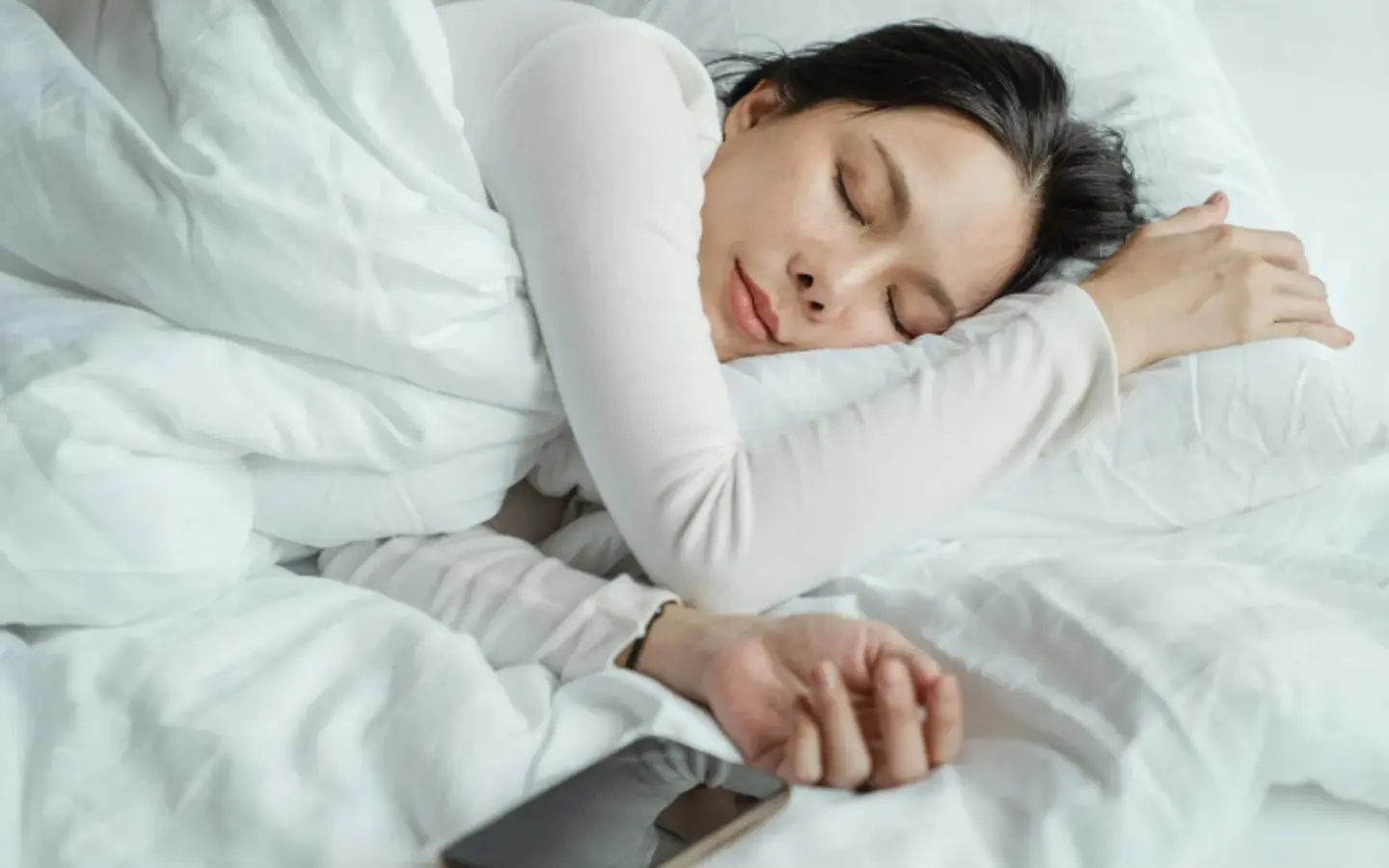
Sleep Is When Your Brain Consolidates Memory
During sleep, the brain processes and stores what you’ve learned throughout the day.
NREM sleep supports declarative memory which holds onto facts and information, while REM sleep reinforces procedural memory, helping you retain skills and sequences.
When sleep is cut short, this consolidation process breaks down. Research has found that sleep-deprived people are not only more forgetful, but also more prone to forming false memories.
Over time, chronic poor sleep is associated with accelerated cognitive decline and a higher risk of neurodegenerative conditions including Alzheimer’s disease, partly because sleep is when the brain clears out toxic proteins like beta-amyloid.
Poor Sleep and Mental Health Are Deeply Linked
Adults who chronically sleep less than seven hours per night report significantly higher rates of mental distress, anxiety, and depressive symptoms.
One reason is that sleep is very important for emotional regulation, because this is when the brain processes emotional experiences from the day. This matters because many people don’t notice the emotional toll of poor sleep until it’s built up considerably.
[CTA_INSERT]
Your Immune System Depends on Sleep
Sleep helps the body defend itself against infection and inflammation.
When sleep is reduced, the body’s immune parameters shift in measurable ways, leading to a state of chronic low-grade inflammation that has been linked to cardiometabolic disease, autoimmune conditions, and even cancer risk.
Sleep Has a Direct Impact on Physical Health
Less than seven hours of sleep per night is associated with a higher risk of hypertension, diabetes, obesity, heart attack, and stroke.
Sleep deprivation raises cortisol levels, disrupts appetite-regulating hormones like leptin and ghrelin (which helps explain the link between short sleep and weight gain), and impairs the body’s ability to regulate blood pressure and blood sugar.
5 Ways to Sleep Better, Starting Now

1. Build a Wind-Down Routine That Actually Works for You
One of the most overlooked parts of sleep is what happens in the hour before it. The brain doesn’t switch off on command, it needs a transition.
A consistent wind-down routine, done at roughly the same time each night, teaches the brain to recognize when it’s time to shift out of daytime mode.
This might look like dimming the lights, doing gentle stretching, or listening to calming audio. The specifics matter less than the consistency.
When the brain learns the cue, it starts to anticipate rest, which makes falling asleep considerably easier.
2. Treat Your Bedroom as a Sleep Environment
Your sleep environment sends signals to the brain, whether you intend it to or not. A room that’s too warm, too bright, or associated with work and stimulation makes it harder for the brain to register that it’s safe to relax.
Research suggests keeping your bedroom between 16 and 19°C (60 to 67°F) for the most stable sleep.
If you work from home in the same room as your bed, good ventilation and a tidy, uncluttered space can at least reduce some of the cognitive association between that room and wakefulness.
3. Reduce Blue Light Exposure Before Bed
Speaking of brightness, screens are one of the most common disruptions to modern sleep. The blue light emitted by phones, tablets, and televisions suppresses melatonin production.
Beyond the light itself, the content we consume on screens (social media, news, fast-paced video) keeps the brain in a state of stimulation that works directly against the wind-down process.
Cutting screen exposure in the 30 to 60 minutes before bed makes a more noticeable difference than most people expect.
4. Understand Your Brain’s Own Sleep Chemistry Before Reaching for Supplements
If you’ve been exploring sleep supplements, you’ve likely come across GABA ( gamma-aminobutyric acid), the brain’s primary inhibitory neurotransmitter.
Its job is to reduce neural activity and help the nervous system shift from alertness to calm, which is why it’s so often linked to sleep.
But here’s something many supplement labels rarely mention: GABA taken orally does not easily cross the blood-brain barrier, meaning it may not reach the areas of the brain that directly regulate sleep.
For most people, the brain is already producing GABA, the question is whether the surrounding conditions allow it to do its job.
Physical activity, morning light exposure, and calming evening rituals like scent therapy have all been shown to support natural GABA activity by helping the nervous system shift into a state where those calming signals can actually take hold.
5. Try Scent-Based Therapy to Support the Nervous System’s Transition to Sleep
Scent might be the most underestimated tool in the sleep conversation. The olfactory system is the only sensory pathway that connects directly to the limbic system — the part of the brain responsible for processing emotion, memory, and the feeling of safety — without passing through the brain’s filtering centers first.
This means certain scents can influence how the nervous system feels almost immediately.
Research has shown that natural compounds like linalool, found in lavender, can interact with the same GABA receptor activity we mentioned earlier and activate the parasympathetic nervous system to support a rest-and-digest state.
How Kimba Can Improve Your Sleep

This week is a reminder that sleep is something you can shape, support, and improve.
Throughout this article, we've talked about GABA, the limbic system, and why scent therapy works the way it does. Kimba is built on exactly that science.
It delivers personalized, natural scent blends in real time, so that when your body is showing signs of stress or tension, Kimba responds by helping your nervous system shift from alertness into the calm it needs to fall asleep.
Kimba works with the habits you're already trying to build, and makes it easier for you to actually get the rest you need instead of dealing with fragmented, disrupted sleep.
Get early access to Kimba.

Continue reading
The Science Behind Smell and Sleep Regulation
Up at 3 AM Again? Here’s Why It Happens